
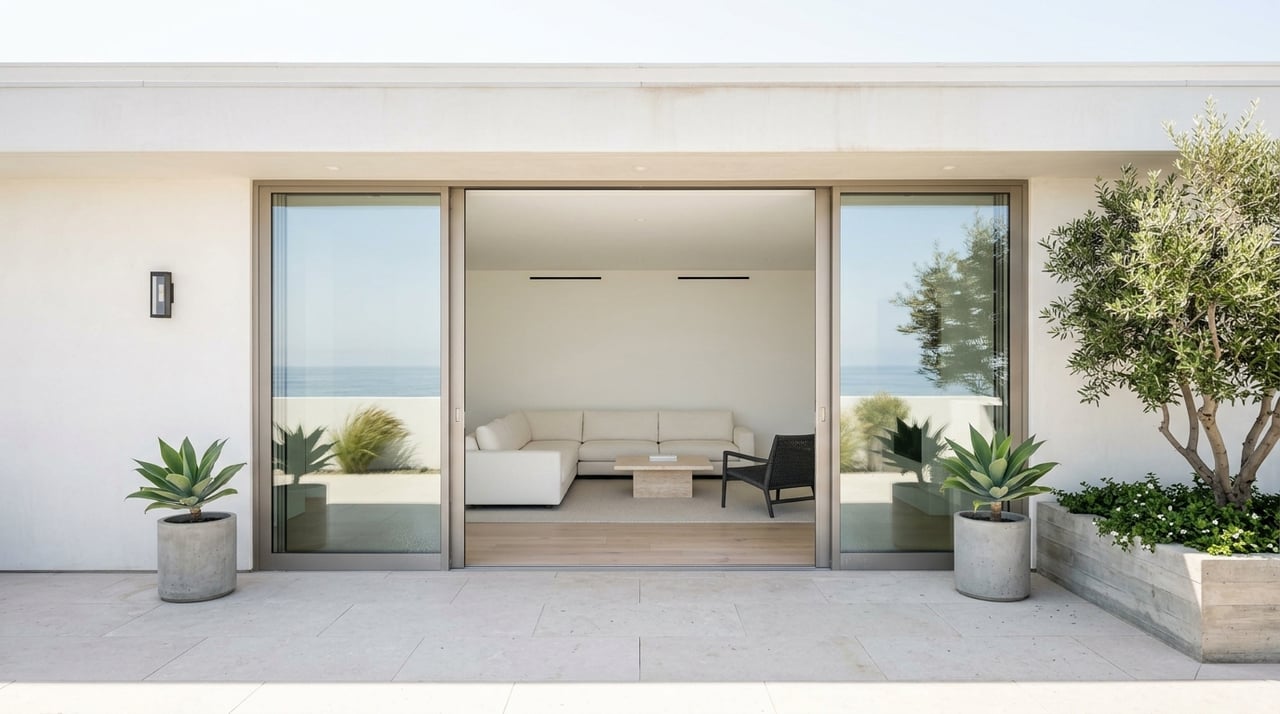
If you are dreaming about a true Escondido Beach retreat, the design conversation should start with more than finishes and furniture. On this stretch of Malibu coastline, the best homes are shaped by ocean air, shifting shoreline conditions, sunlight, breezes, and a local approval process that can influence major decisions early. If you want a home that feels effortless and lasting, it helps to understand how beauty, comfort, and planning work together from the start. Let’s dive in.
Start With the Site
Designing on Escondido Beach means designing within Malibu’s coastal environment. The California Coastal Commission identifies Escondido Beach as part of a shoreline setting where public shoreline access easements may relate to the mean high tide line. It also notes that the mean high tide line is ambulatory, which means the shoreline boundary can shift over time as beach conditions change.
That matters because beachfront design is never just about what looks good today. Terraces, low walls, fences, plantings, and other features near the sand should be considered with long-term shoreline movement in mind. A smart concept respects privacy and outdoor enjoyment while staying realistic about how a coastal edge can evolve.
Plan for Malibu Approval Early
In Malibu, permitting is part of design, not a later step. The City of Malibu states that the entire city is within the California coastal zone and that development is subject to the City’s certified Local Coastal Program. The City also notes that planning review comes before Building Plan Check when a project needs Planning approval.
For an Escondido Beach renovation or rebuild, that can affect the project from day one. The Coastal Development Permit process may include pre-design review, story poles, neighbor notices, Planning Commission hearing steps, and possible appeal periods. If you are considering changes to decks, grading, exterior stairs, site walls, or footprint, those decisions should be part of the concept stage.
Choose Materials for Salt Air
On the beach, salt exposure is not a minor issue. FEMA guidance explains that salt spray and onshore winds can speed up corrosion of metal connectors and fasteners, and it stresses that corrosion-resistant connectors and fasteners are essential in coastal regions. If those components fail over time, the home’s load path can be compromised.
That is why corrosion resistance should be treated as a baseline requirement, not an upgrade. Stainless or galvanized steel hardware, pressure-treated components, marine-suitable assemblies, and compatible materials all deserve close attention. Material compatibility also matters because certain dissimilar metals can contribute to galvanic corrosion in saltwater conditions.
Roofing and Exterior Hardware Matter
A beach house exterior has to work hard every day. According to IBHS, aluminum roofing offers increased corrosion resistance in marine and coastal environments, while coated steel systems can also perform well when accessories and fasteners are compatible.
That means your roof, flashing, trim details, railings, and fastener package should be selected as a system. In a luxury home, small specification choices can have a big impact on appearance, maintenance, and long-term durability.
Design Interiors for Moisture Control
A refined coastal interior should feel calm and easy to maintain. EPA and CDC guidance makes one point clear: mold is a moisture problem. The practical strategy is to control humidity, ventilate properly, and dry wet materials quickly, with CDC recommending indoor humidity at or below 50%.
In practical terms, this supports hard, low-absorption, wipeable finishes in areas that see recurring moisture. Entries, bathrooms, laundry rooms, pool-adjacent spaces, and mudroom-style transitions benefit from durable materials that can handle damp air and daily use. EPA also notes that carpeting should be avoided in perpetually moist areas and may need replacement after wetting.
Where Finish Choices Matter Most
If you are planning a beach retreat for real living, not just visual impact, focus on these areas:
- Entry zones that may collect sand and moisture
- Baths with strong ventilation to the exterior
- Laundry spaces with durable floor and wall finishes
- Pool or spa transition areas
- Lower-level or highly exposed rooms where moisture may linger
The result is a house that still feels elevated, but performs better over time.
Maximize Views Without Overheating
The ocean view is often the emotional center of an Escondido Beach home. Still, more glass is not always better glass. The U.S. Department of Energy recommends low-SHGC windows for warm climates to reduce solar heat gain, along with low-e, multi-pane assemblies and proper installation.
This is where thoughtful design creates comfort. You can preserve daylight and view while reducing unwanted heat gain by pairing quality glazing with placement, overhangs, and shading. That balance is what keeps a bright beach house from feeling overexposed.
Use Shading as a Design Tool
Daylighting works best when it is controlled. DOE guidance notes that good daylighting balances natural light with glare and heat gain, and that awnings can significantly reduce summer solar heat gain on south- and west-facing windows.
For a Malibu retreat, that supports features such as:
- Deep overhangs
- Retractable exterior shades
- Pergola-like structures
- Thoughtful placement of large view windows
- Selective use of operable skylights with strong energy performance
These choices help you keep the indoor-outdoor feeling while improving comfort throughout the day.
Shape the Floor Plan Around Breezes
The best beachfront floor plans do more than open up to the ocean. DOE guidance explains that coastal homes often use large operable ocean-facing windows to capture sea breezes, and that cross ventilation works when windows on windward and leeward sides are opened together.
That makes layout important. A successful Escondido Beach retreat is often organized around a view-facing great room, clear airflow paths, and upper-level openings that let heat escape. Open plans, cathedral ceilings, clerestories, and operable skylights can all support the stack effect and improve natural ventilation.
Ventilation Is Part of Luxury
Natural airflow can make a home feel fresher and more relaxed. DOE also notes that natural ventilation works best with regular breezes and cooler outdoor temperatures, while whole-house fans are most effective when outdoor air is cooler than indoor air. They do not dehumidify, so they are not a replacement for climate control when humidity is elevated.
In other words, the most comfortable beach homes combine passive design with realistic performance expectations. They are designed to welcome the breeze, but not depend on it for every condition.
Make Outdoor Rooms Adaptable
Outdoor living is a major part of the Malibu lifestyle, but beachfront outdoor spaces should be flexible as well as beautiful. The California Coastal Commission’s sea-level-rise guidance explains that vulnerability assessments and adaptation strategies are part of coastal planning tools, including Coastal Development Permits and Local Coastal Programs.
For you as an owner or buyer, the takeaway is simple. Decks, terraces, landscape walls, and recreation areas should be planned with long-term shoreline change in mind. The goal is not to overbuild the site edge, but to create outdoor spaces that remain functional and appropriate over time.
Think Beyond a Fixed Edge
Beachfront design benefits from a long view. If a site is low or has flood exposure, elevation strategies, raised floor systems, and flood-damage-resistant materials can become part of the design response. APA notes the popularity of raised wood floors in coastal areas when height is needed, while FEMA emphasizes corrosion- and flood-resistant materials for coastal construction.
That does not mean every home needs the same solution. It does mean that resilience should be part of the planning conversation when outdoor rooms, lower levels, and site improvements are being considered.
Use Landscaping With Intention
Landscaping on Escondido Beach should do more than soften the architecture. DOE guidance notes that landscaping can help or hinder natural ventilation, and that fences, hedges, and tree rows can either direct wind toward openings or block it, depending on placement.
That is especially important when you want privacy without sacrificing the cooling benefit of ocean air. Planting plans and low walls should be considered not only for visual screening, but also for airflow, comfort, and how they relate to the shoreline setting. On Escondido Beach, where access easements and privacy buffers may be part of the broader coastal context, restraint often matters as much as design ambition.
What an Ultimate Retreat Really Requires
At this level, great design is not only about aesthetics. It is about creating a home that captures the calm, open, coastal feel buyers want while respecting Malibu’s planning framework and the realities of beachside construction.
The strongest Escondido Beach retreats usually share a few priorities:
- Corrosion-resistant connectors, hardware, and compatible exterior materials
- Low-SHGC, low-e glazing with careful installation and shading
- Floor plans organized around views, cross-breezes, and upper-level heat release
- Durable interior finishes in moisture-prone areas
- Outdoor spaces planned with shoreline change and long-term adaptability in mind
- Early coordination with Malibu’s coastal planning and permit process
If you are evaluating an existing home, planning a remodel, or considering a future purchase on Escondido Beach, these details can have a real effect on comfort, maintenance, and long-term value. For a market as nuanced as Malibu beachfront real estate, that kind of planning insight matters.
When you are ready to discuss Escondido Beach properties, design potential, or the realities behind a beachfront purchase, schedule a private conversation with Mark Gruskin.
FAQs
What makes Escondido Beach home design different from other coastal areas?
- Escondido Beach design is shaped by Malibu’s coastal zone rules, shoreline access context, moving mean high tide line, salt-air exposure, and local planning review requirements.
Why is permitting important for an Escondido Beach remodel?
- In Malibu, planning review can come before Building Plan Check, and a Coastal Development Permit process may involve pre-design review, story poles, notices, hearings, and appeal periods.
What materials work best for an Escondido Beach exterior?
- Research cited here supports corrosion-resistant connectors and fasteners, compatible metals, marine-suitable assemblies, and roofing systems such as aluminum or properly detailed coated steel.
How can an Escondido Beach home keep ocean views and stay comfortable?
- Low-SHGC, low-e glazing, proper installation, shading elements, and thoughtful window placement can help preserve views while reducing glare and solar heat gain.
What floor plan features help an Escondido Beach retreat feel better year-round?
- Strong cross-ventilation paths, operable ocean-facing windows, upper-level openings, open layouts, and features that support stack-effect airflow can improve comfort and natural ventilation.
Why should landscaping be planned carefully for an Escondido Beach property?
- Landscaping can affect privacy, airflow, and comfort, and on a beachfront site it should also be considered in relation to shoreline setting, access conditions, and long-term adaptability.