
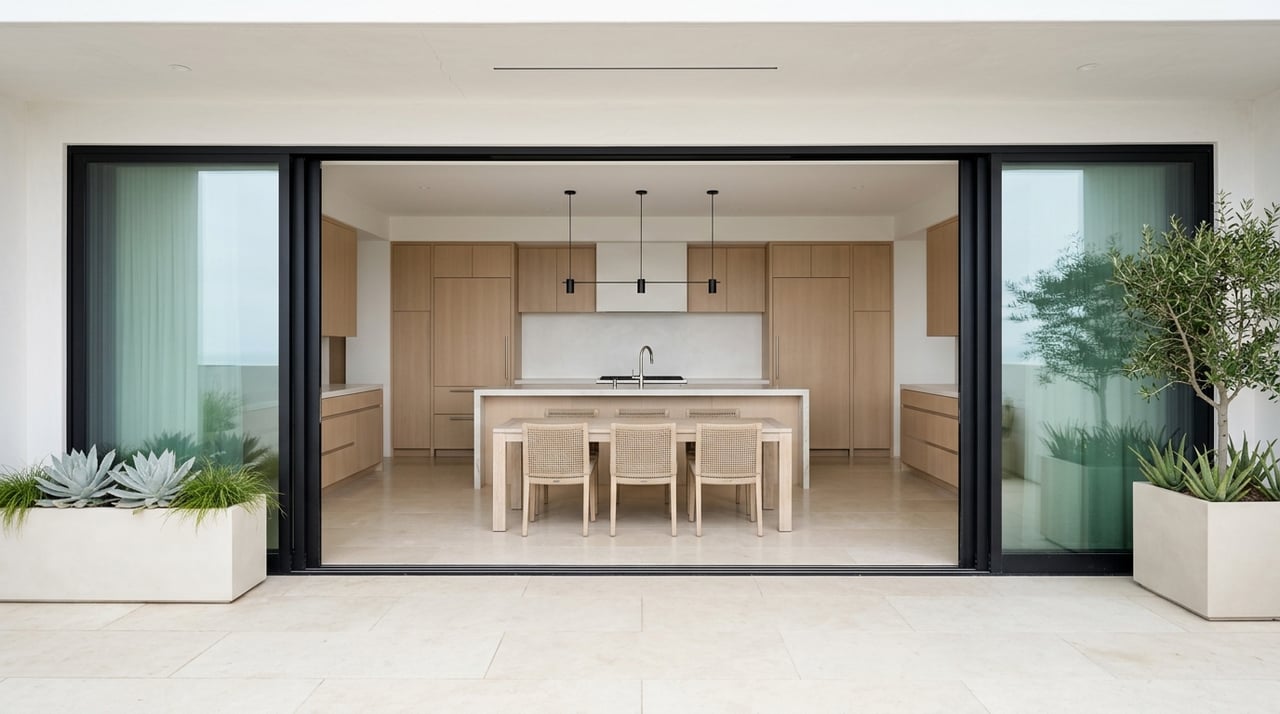
If you are looking at Broad Beach as either an income-producing asset or a high-end rental, one truth stands out fast: luxury leasing here is not simple. The numbers can be impressive, but so are the rules, timing pressures, and property-specific details that shape what a lease is really worth. This guide will help you understand how Broad Beach leasing works in Western Malibu, what drives premium pricing, and where investors and tenants need to look beyond the headline rent. Let’s dive in.
Broad Beach Leasing Starts With Structure
Broad Beach sits within Malibu’s coastal-zone framework, which means leasing activity is shaped by the City of Malibu and coastal oversight. Malibu states that the entire city is in the coastal zone, and Local Coastal Program amendments must be certified by the California Coastal Commission before they take effect.
That matters because owners and tenants should not assume a county-only system applies here. Los Angeles County also states that its short-term rental registration requirement does not apply to coastal-zone properties, so Broad Beach leasing should be evaluated under Malibu’s city rules.
Why Seasonality Shapes Pricing
Broad Beach demand is heavily weighted toward summer. A 2024 Malibu rental report cited peak season as June through August, with some renters finalizing summer plans by May and others locking in dates before the first of the year.
For both sides of the deal, that timing changes leverage. Tenants who wait too long may face fewer options and higher seasonal pricing, while owners who plan early can position a property more effectively for the strongest demand window.
Public listing snapshots also show how wide the pricing range can be. Current asks span from the low $20,000s per month to six figures, and some homes use separate summer and off-season pricing rather than one flat monthly number.
What Premium Renters Pay For
On Broad Beach, premium pricing is driven by more than a Malibu address. The biggest differentiators in current listings are usable beachfront quality, privacy, and practical livability during a short or extended stay.
Listings commonly highlight features such as:
- Prime beachfront frontage
- Direct or private access to the sandy shoreline
- Wider lots
- Pools and spas
- Furnished interiors
- Dual oceanfront primary suites
- Entertainment rooms
- Elevators
- Strong off-street parking capacity
These features do more than photograph well. They can make day-to-day occupancy easier, especially for summer households hosting guests, staff, or family over a multi-week or multi-month stay.
Access, Privacy, and Parking Matter More Than You Think
In a niche luxury corridor like Broad Beach, access and privacy can directly affect leasing performance. Listings that emphasize distance from public access points, private shoreline access, and substantial parking often signal a smoother high-end occupancy experience.
For tenants, this can mean less friction during move-in, easier entertaining, and a more usable property overall. For investors, these details can help support stronger rent positioning when compared with homes that may have comparable square footage but less functional beachfront use.
Short-Term Rental Rules in Malibu
If an owner is considering short-term leasing, Malibu’s rules are a central part of the underwriting. The city states that advertising or operating a residential property as a short-term rental without a permit violates city code.
Malibu also requires each legal lot or condominium unit to have its own permit. Permits last one year, must be renewed annually, and the permit number must appear in advertisements.
The city has also outlined meaningful penalties. Malibu says violations can lead to fines of $1,000 per day or twice the advertised daily rate, whichever is higher.
Operating Requirements for Legal STR Activity
A permit is only the starting point. Malibu’s ordinance also requires owners to collect and remit transient occupancy tax, maintain a 24/7 local agent, provide guests with the city’s code of conduct, maintain basic safety equipment, and actively prevent nuisance behavior.
The city may deny or revoke a permit for unpaid transient occupancy tax, code violations, safety noncompliance, or repeated noise citations. In practical terms, that means short-term leasing on Broad Beach carries a real operational burden, not just a marketing opportunity.
Since January 1, 2023, Malibu has also required a valid OWTS operating permit or a city compliance agreement for short-term rental permits. The city warns that obtaining that documentation can take six months or longer, which is a major planning issue for owners who hope to capture summer demand.
The 30-Day Threshold Changes the Analysis
One of the most important distinctions in Malibu leasing is the 30-day threshold. Malibu states that homes rented for 30 days or less are subject to transient occupancy tax, which the city lists at 15% effective January 1, 2021.
That makes lease structure critical. A stay of 30 days or less is treated very differently from a longer residential lease, and that difference can affect pricing, compliance, and the overall guest experience.
For longer stays, Broad Beach leases should be analyzed more like standard residential occupancy than transient lodging. This is one reason multi-month leasing often appeals to both owners and tenants seeking a more stable arrangement.
Pending Rules Add Another Layer
Investors should also pay attention to rule changes that are not yet active. Malibu has adopted a hosted short-term rental ordinance that would add onsite-host and primary-residency rules, but the city states these rules cannot take effect until the Local Coastal Program amendment is certified by the California Coastal Commission.
For now, that should be treated as pending-rule risk rather than current law. In a market like Broad Beach, that kind of uncertainty matters because it can affect future operating assumptions and the type of lease strategy that makes the most sense.
What Investors Should Underwrite
If you are evaluating a Broad Beach property as an investment, gross asking rent is only the first line item. The more important question is whether the home can consistently support premium leasing after seasonality, compliance demands, and management intensity are factored in.
A property with strong frontage, meaningful privacy, solid parking, and a clean path to permit compliance may command exceptional pricing. But a weaker property, or one with operational obstacles, may not perform as well even if it looks impressive on paper.
A practical investor checklist includes:
- Whether the intended lease strategy is short-term, seasonal, or 1+ year
- Whether the property can meet Malibu permit requirements
- Whether OWTS documentation is already in place or still pending
- Whether parking and access support luxury occupancy
- Whether privacy and shoreline usability justify a premium rate
- Whether professional management is available to handle the operating load
In many cases, Broad Beach ownership requires near-hotel discipline if the strategy depends on shorter stays. That is why lease structure can matter almost as much as the rent itself.
What Tenants Should Confirm Before Signing
For tenants, the biggest mistake is focusing only on the photo package and monthly number. Broad Beach listings often include date-based pricing, negotiable term structures, or different summer versus off-season rates, so the exact lease terms need a close review.
Before signing, confirm the fundamentals of how the property will actually function for your stay. Small details can have an outsized impact when you are leasing at this price point.
A smart tenant checklist includes:
- Exact lease dates
- Summer versus shoulder-season pricing
- Beach access details
- Furnishings included with the lease
- Parking count and guest parking options
- Noise expectations and house rules
- Whether the offering is short-term, seasonal, negotiable, or 1+ year
Booking early also matters. Peak demand centers on summer, and some renters secure homes before spring reaches May.
Broad Beach Is a Micro-Market
Broad Beach is not a generic Malibu rental market. It is a narrow luxury leasing corridor where frontage, privacy, access, parking, and compliance often matter as much as square footage and finishes.
That is why broad assumptions can be costly. Two homes on the same stretch of coast may perform very differently based on lot usability, lease structure, and the owner’s ability to meet Malibu’s operating requirements.
For investors, that means disciplined underwriting. For tenants, it means careful review of the exact home, exact dates, and exact terms.
If you are weighing a Broad Beach lease strategy, buying a property with leasing potential, or trying to secure the right seasonal rental with minimal friction, a private and well-structured conversation can save time and reduce risk. To schedule a confidential appointment, connect with Mark Gruskin.
FAQs
What makes Broad Beach rentals different from other Malibu leases?
- Broad Beach leasing is shaped by Malibu’s coastal-zone rules, strong summer seasonality, and property-specific factors like beachfront usability, privacy, shoreline access, and parking.
What counts as a short-term rental in Malibu?
- Malibu states that homes rented for 30 days or less are subject to transient occupancy tax, and short-term rental activity requires compliance with the city’s permit rules.
What is Malibu’s transient occupancy tax for short stays?
- Malibu states that the transient occupancy tax rate is 15% for homes rented 30 days or less, effective January 1, 2021.
What should Broad Beach investors review before leasing a property?
- Investors should review seasonality, lease structure, permit requirements, OWTS documentation, privacy, parking, beach access, and the management demands needed to operate the home successfully.
What should Broad Beach tenants verify before signing a luxury lease?
- Tenants should verify exact lease dates, pricing by season, furnishings, beach access, parking, and the specific occupancy terms so the home fits their plans and expectations.