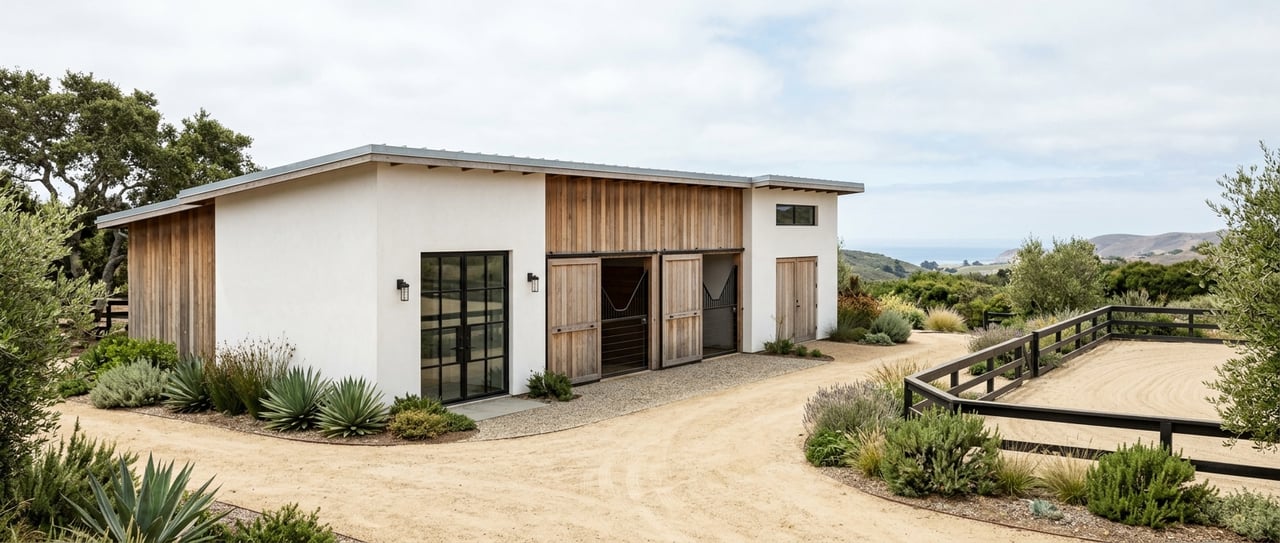
If you want Malibu acreage with a real equestrian feel, Malibu Park stands out fast. This part of west Malibu offers a mix that is hard to find in tighter coastal neighborhoods: larger lots, nearby riding facilities, trail access, and easy reach to the beach. If you are weighing a move here, this guide will help you understand how Malibu Park lives day to day, what horse property rules matter most, and what to look for before you buy. Let’s dive in.
Why Malibu Park Feels Different
Malibu Park has a distinct identity within west Malibu. City planning materials place Malibu Middle School and Malibu High School in Malibu Park, with the Malibu Equestrian Center on the same campus edge, roughly a quarter-mile northeast of Pacific Coast Highway and Zuma Beach.
That setup gives the area a school-and-equestrian corridor feel rather than the pattern you might expect in a compact beach tract. You are still close to the coast, but the neighborhood reads as more open, more rural, and more land-oriented.
That impression is supported by Malibu’s broader land-use framework. The city’s land-use plan preserves lower-density residential development, with rural residential minimum lot sizes ranging from 1 to 40 acres and single-family areas ranging from one-quarter acre to 1 acre. The same planning framework allows agricultural uses and animal keeping as accessory uses to approved residential development.
Malibu Park and the Coast
One of the strongest parts of Malibu Park living is that you do not have to choose between land and shoreline access. Malibu has 21 miles of coastline, and the city identifies public beaches including Zuma, Westward, Point Dume, Malibu Lagoon, and Surfrider.
For many buyers, that combination is the appeal. You can look for a property with more breathing room while staying close to some of Malibu’s best-known beaches and outdoor destinations.
Beach activity is a real part of daily life here. The city reports that Malibu beaches draw an estimated 11 to 12 million visitors a year, so access is a benefit, but traffic and seasonal demand should also be part of your planning.
What Horse Property Rules Matter Most
If you are considering a horse property in Malibu Park, the most important point is simple: horse keeping is parcel-specific. The City of Malibu Planning Division advises applicants to review Title 17, the Local Coastal Program Local Implementation Plan, and related code sections early in the design process.
That matters because not every residential property is automatically suited for horses just because it is in a horse-friendly area. Lot size, setbacks, habitat constraints, grading, structures, and runoff controls can all affect what is possible.
Personal Horse Use Standards
For personal-use horses and similar ungulates, the Malibu Local Implementation Plan sets several baseline standards:
- Minimum lot size of 15,000 square feet
- Maximum of eight animals per acre
- Maximum of four horses per acre
- Animals must be kept at least 50 feet from any building used for human habitation
These are useful screening criteria when you first evaluate a property. They do not replace project-specific review, but they can quickly help you identify whether a parcel may fit your goals.
Commercial Boarding Is Different
Commercial horse boarding has a much higher threshold. Under the same Malibu standards, commercial boarding requires a minimum parcel size of five acres.
That is a major distinction for buyers. A property that may work for private horse use is not necessarily a candidate for a boarding operation, and a five-acre minimum often points to a much more developed barn and site plan.
Habitat and Coastal Review Can Affect Plans
The city’s Local Implementation Plan also states that new confined animal facilities for personal recreational keeping of horses or other ungulates are prohibited in protected habitat areas and their buffers, except as otherwise allowed under the code. Accessory structures may be permitted with a single-family residence if slope and buffer limits are met.
In practical terms, that means usable acreage is not always the same as gross lot size. A parcel may look generous on paper, but development constraints can narrow where structures, paddocks, or support improvements can actually go.
Runoff Control Is a Real Ownership Issue
Malibu’s planning documents place clear emphasis on runoff control. Stables and animal-keeping operations must be managed so they do not discharge sediment, nutrients, contaminants, or feces to surface water, groundwater, roads, adjoining properties, or drainage channels.
If you are buying a horse property, this is not a minor detail. Barn placement, drainage, wash areas, manure management, and grading can all affect both compliance and long-term operating costs.
Permits May Be Required for Improvements
Agricultural or confined-animal development that adds structures, grading, or a more intensive land use can require a Coastal Development Permit and a Water Quality Mitigation Plan for Agricultural and Confined Animal Facility Development.
For buyers planning upgrades, this is where experienced local guidance matters. A property may support your vision in theory, but the timeline, permitting path, and site constraints should be reviewed before you commit to major improvements.
What Daily Equestrian Living Looks Like
Malibu Park supports an equestrian lifestyle that is both practical and recreation-focused. The public face of that lifestyle is visible at Malibu Equestrian Park, adjacent to Malibu High School.
The city says the facility includes two riding arenas, a picnic area, and restrooms. It is available for horse shows and lessons and is otherwise open for public practice and recreational riding.
For many buyers, this adds value beyond private property features. Even if you keep horses off-site or are just getting started, nearby public equestrian infrastructure can make the lifestyle more accessible.
Trail Access Is a Big Part of the Appeal
The Santa Monica Mountains are central to the riding experience in this area. The National Park Service lists the Backbone Trail at 67 miles and states that equestrians can access all 67 miles.
The same National Park Service material notes that most trails in the Santa Monica Mountains are shared by hikers, mountain bikers, equestrians, and runners. That means trail etiquette, timing, and route selection all matter.
Parking and Timing Matter Too
Trail riding here can require planning. The National Park Service recommends nearby riding areas including Zuma/Trancas Canyons and Solstice Canyon, while also noting that trailer parking can be limited at some trailheads.
At Solstice Canyon, for example, trailer parking is limited to two rigs, and weekday riding is strongly preferred due to visitation levels. That kind of detail can shape your weekly routine more than you might expect.
On-Site Horses or Off-Site Boarding?
Not every Malibu Park buyer wants to build or maintain a full horse setup at home. For some, the better fit is a residence with land and privacy paired with boarding elsewhere.
Local boarding examples show how different those arrangements can be. White Cloud Ranch describes pasture boarding on a roughly 40-acre property off Kanan Road. Dragonfly Creek Farm describes a full-service model with three feedings per day, daily stall cleaning, turnout when weather permits, blanketing, and daily arena watering and dragging.
LKH Equestrian describes full training and care that includes multiple daily feedings, twice-daily cleaning, turnout, blanketing, and trail access. Rancho Sea Air notes that it accepts boarding inquiries and also offers riding lessons and horse camps.
These examples highlight an important lifestyle decision. You may prefer hands-on ownership at home, or you may want the land, privacy, and Malibu setting without taking on the full day-to-day workload of feeding, mucking, turnout scheduling, farrier coordination, and facility upkeep.
Schools and Daily Logistics
For buyers thinking about household routines, Malibu Park has a practical advantage. The City of Malibu lists Malibu High School and Malibu Middle School on Morning View Drive, and both share a campus.
The city also states that Malibu’s public schools are part of the Santa Monica-Malibu Unified School District. From a logistics standpoint, a shared middle and high school campus can simplify drop-off and pickup routines for households also managing horses, lessons, or trail schedules.
This is one reason Malibu Park often appeals to buyers who want more than a beach address. It offers a blend of access, space, and everyday functionality that can be difficult to replicate elsewhere along the coast.
Septic Systems and Property Planning
Another practical issue in Malibu is wastewater. Many properties use onsite wastewater treatment systems, or septic systems.
The city says septic systems should be inspected every three to five years, pumped when needed, and protected from heavy vehicle traffic over tanks and drainfields. For acreage and equestrian properties, this deserves close attention.
Driveway routing, trailer movement, wash areas, and runoff patterns can all affect system performance and maintenance. If you are evaluating a parcel for horses or future improvements, septic placement should be part of the conversation from the start.
What to Look For When Buying
Malibu Park can be an excellent fit if you want a lower-density coastal setting with room to breathe. Still, the right property depends on more than a listing description.
As you narrow your options, focus on a few core questions:
- Does the parcel size support your intended horse use?
- Are there setback, slope, habitat, or buffer constraints?
- Is the existing setup suited for private use, or will you need improvements?
- Would off-site boarding better match your schedule and maintenance preferences?
- How do beach traffic, trail access, school logistics, and septic placement affect daily life?
The most successful purchases here usually start with a clear lifestyle plan. Once you know whether you want private horse use, occasional riding, or simply the feel of acreage near equestrian amenities, it becomes much easier to identify the right fit.
Malibu Park offers a rare version of Malibu living. You get proximity to Zuma Beach and the wider coastline, access to a major trail network, nearby equestrian facilities, and a lower-density land pattern that can support a more spacious lifestyle. But because horse property use in Malibu is highly specific to the parcel, careful review is essential before you buy or improve.
If you are considering Malibu Park and want discreet, informed guidance on acreage, equestrian properties, or the nuances of west Malibu micro-markets, schedule a private conversation with Mark Gruskin.
FAQs
What makes Malibu Park different from other Malibu neighborhoods?
- Malibu Park combines a lower-density residential pattern with nearby equestrian facilities, trail access, school infrastructure, and close proximity to Zuma Beach and Pacific Coast Highway.
What are the basic Malibu rules for personal horse keeping?
- The Malibu Local Implementation Plan states that personal-use horses require at least 15,000 square feet of lot area, allow up to four horses per acre, and require animals to be kept at least 50 feet from buildings used for human habitation.
What does Malibu require for commercial horse boarding?
- Commercial horse boarding in Malibu requires a minimum parcel size of five acres under the city’s Local Implementation Plan standards.
What equestrian amenities are near Malibu Park?
- Malibu Equestrian Park, adjacent to Malibu High School, includes two riding arenas, a picnic area, and restrooms, and is available for horse shows, lessons, public practice, and recreational riding.
What trails can equestrians use near Malibu Park?
- The National Park Service states that equestrians can access all 67 miles of the Backbone Trail, and it identifies nearby riding sites such as Zuma/Trancas Canyons and Solstice Canyon.
What practical property issues should Malibu Park buyers watch closely?
- Buyers should pay close attention to parcel size, setbacks, habitat or buffer constraints, runoff control requirements, possible permit needs for improvements, and septic system placement and maintenance.