
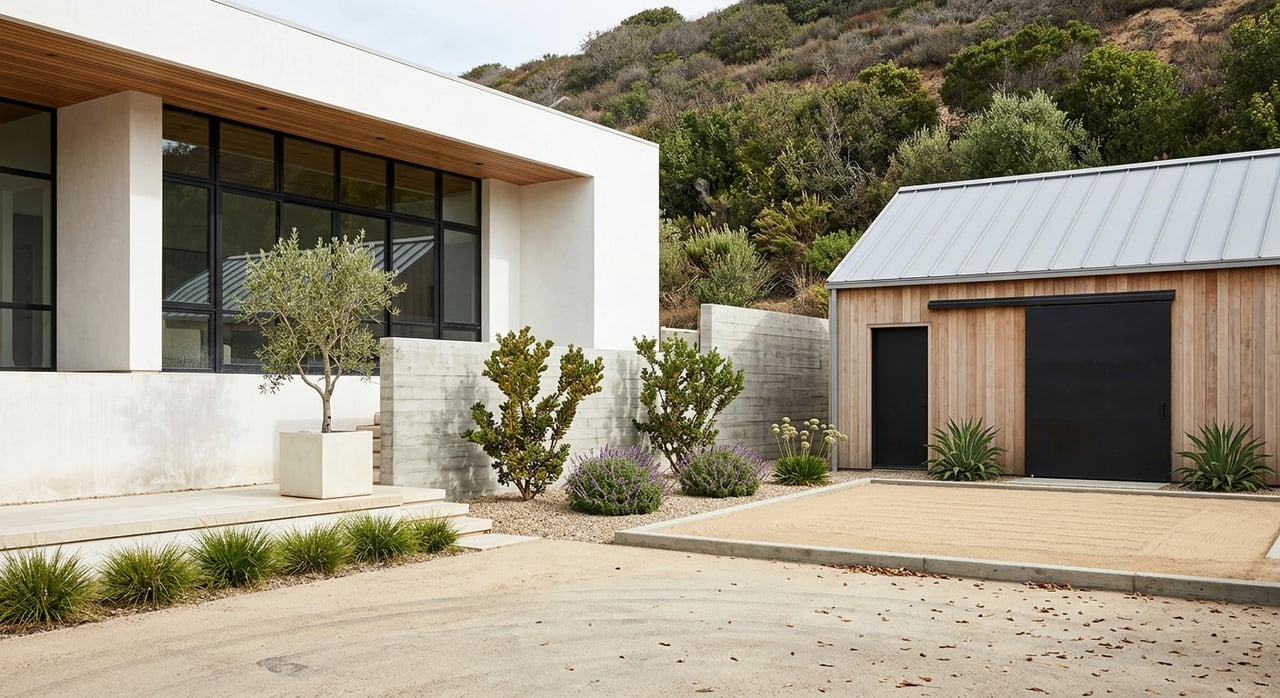
If you are selling a view or acreage home in Malibu Park, you are not just selling square footage. You are selling a setting, a use case, and a paper trail that helps a serious buyer understand what is there today and what may be possible later. In a market where views, land, equestrian features, septic systems, wildfire rules, and coastal oversight all matter, the strongest listings are the ones that replace guesswork with clarity. Let’s dive in.
Malibu Park value starts with the site
In Malibu Park, buyers often evaluate the land as closely as the residence. They want to understand sightlines, privacy, usable outdoor areas, access, and whether site improvements are documented and lawful. That is especially true for larger parcels, canyon settings, and homes where the view is central to the purchase decision.
Malibu Park also has a distinct equestrian identity. The neighborhood includes the Malibu Equestrian Park area, and the local character can be part of your property story when the parcel includes features like corrals, barns, trails, or horse-related improvements. Still, those features only add confidence when they are presented accurately and supported by the right records.
Why Malibu Park sales need strategy
A sophisticated buyer in Malibu Park is underwriting more than design and finishes. They are also looking at zoning, coastal oversight, permit history, septic or well documentation, geology, drainage, access, and any constraints tied to the parcel. That means your sales strategy should focus on both presentation and proof.
This matters even more because the entire City of Malibu lies within the California coastal zone. Local development and activity are governed by the City’s Local Coastal Program, unless exempt, and that framework can supersede conflicting general plan or zoning rules. In practice, this means future potential should be described carefully and conservatively.
Document the view story
For a Malibu Park property with a meaningful view, the view should not be marketed as an assumption. It should be documented where possible. Malibu has a formal view preservation and restoration system, including a Primary View Determination that documents a primary view corridor.
If your home’s value is closely tied to ocean, canyon, or ridgeline views, this documentation can strengthen the value story. It helps move the conversation from a subjective impression to a more concrete, supportable feature. For the right property, that can make the listing more credible from the start.
Primary view matters to buyers
Buyers of view homes often want to know whether the view is already documented or whether it depends on future foliage discussions. In Malibu, the preservation and restoration system applies when foliage affects the documented primary view corridor. That makes early preparation important if your home’s appeal is tied to protected sightlines.
A clear file on the view corridor can also help reduce uncertainty during due diligence. Instead of leaving the buyer to investigate that issue after an offer, you can present a cleaner narrative upfront.
Acreage and equestrian value must be specific
With acreage homes, open land alone is not enough. Buyers want to know how the parcel is actually used today, what structures exist, and whether those improvements fit the applicable local rules. In Malibu’s RR district, accessory uses and structures can include guest units, detached garages, barns, pool houses, storage sheds, greenhouses, pools, sports courts, corrals, domestic animals, and horses, subject to district conditions.
The RR district also permits private equestrian and hiking trails. If your property includes these features, they may be meaningful value drivers. But the key is to market them as existing and documented uses, not as broad promises about what a future owner can automatically expand or change.
Existing, permitted, and potential are different
This is one of the most important distinctions when selling in Malibu Park. Existing use, permitted use, and potential future use are not the same thing. In a coastal market shaped by parcel-specific rules, serious buyers respond best when those categories are clearly separated.
That means a barn should be described based on its actual status. A guest structure should be supported by permit history if that history exists. And any mention of future additions, conversions, or expanded landscaping should be framed as subject to Local Coastal Program and coastal review, rather than presented as a certainty.
Build a strong pre-listing packet
For a larger parcel, a thorough pre-listing packet can do more than answer questions. It can improve pricing confidence, reduce avoidable contingencies, and show that your sale is being handled with discipline. In Malibu Park, that packet should focus on the house, the site, and the compliance story.
Start by assembling a permit and as-built file for the main residence and every major site improvement. That may include decks, pools, retaining walls, barns, guest units, corrals, fencing, trail work, grading, and major landscaping. The file should clearly separate fully permitted work from older or unclear improvements.
Include site documentation early
A current survey or plot plan is often a practical step for larger parcels. It can help frame access, setbacks, site improvements, and parcel layout before buyer questions start to stack up. On hillside or canyon properties, that kind of organization can save time during escrow.
If the property relies on an on-site wastewater treatment system, Malibu says operating permits are required when an existing OWTS is sold. The City’s checklist also states that reuse of an existing OWTS requires an OWTS Assessment from a City-Registered Practitioner. If the parcel uses a private well, the City requires an Application for Well Reuse before the pump can be reconnected to power.
Prepare for wildfire-related questions
Wildfire risk is part of the buyer conversation in Malibu, and sellers should be ready for it. Malibu states that all properties sold within city limits are subject to AB 38 because the city is designated a Very High Fire Hazard Severity Zone. That makes wildfire-related disclosure and preparation a standard part of the process, not a side issue.
If your home was built before January 1, 2010 and is located in a high or very high fire hazard severity zone, California requires an additional wildfire-hardening notice. That notice flags features such as vulnerable vents, untreated wood shake roofs, combustible materials near the house, single-pane windows, missing flashing, and gutters without noncombustible covers.
If you are considering pre-listing landscaping work, Malibu’s fire-resistant landscaping rules may also apply. The ordinance requires a five-foot defensible-space buffer around exterior walls and applies to existing single-family homes when a new or altered landscape area is 2,500 square feet or more.
Disclosures can shape negotiation power
In a high-value Malibu Park sale, timing and completeness of disclosures matter. California requires the seller’s completed Transfer Disclosure Statement to be delivered as soon as practicable before transfer of title. If material disclosures arrive after the offer is executed, the buyer gets a statutory cancellation window.
For sellers, that means delayed or incomplete disclosure can create leverage for the other side. A more complete disclosure package can help keep the transaction on firmer ground and reduce surprises once the property is in escrow.
Natural hazard and coastal context
The Natural Hazard Disclosure regime covers earthquake fault zones, seismic hazard zones, and very high fire hazard severity zones. Those issues can affect how buyers assess both risk and future ownership costs. In Malibu Park, they are a routine part of due diligence.
If your marketing story includes an ADU or JADU, Malibu’s own guidance says those projects must comply with both state ADU law and applicable Coastal Act and Local Coastal Program requirements. That makes permit history and coastal approval status part of the disclosure narrative, not just a marketing talking point.
Expect buyer contingencies on larger parcels
On Malibu Park acreage properties, buyers often write offers with contingencies tied to title, easements, access, septic, well, geology, drainage, and permit verification. These are not unusual requests. They are a normal response to the complexity of hillside and coastal parcels.
For canyon or hillside homes, geology and grading documentation can be especially important. Malibu’s geologist reviews engineering geology reports and identifies potential geologic hazards, so buyers often want to see what is already known about the site.
Reduce friction before escrow
The best way to reduce buyer friction is to organize the file before the home goes live. When your materials clearly show what is legal and installed, what has been maintained, and what may require future review, buyers can underwrite the opportunity with more confidence.
That does not mean trying to make every issue disappear. It means presenting the property in a way that is measured, accurate, and credible. In Malibu Park, that approach often protects value better than a more aggressive, loosely documented sales pitch.
A smarter Malibu Park selling approach
The strongest Malibu Park listings combine polished marketing with disciplined preparation. Buyers are drawn to views, land, and lifestyle, but they make decisions based on documentation, risk, and clarity. When your home’s story is supported by records and framed within Malibu’s actual regulatory landscape, the listing becomes more persuasive.
That is especially true for properties with acreage, equestrian improvements, guest structures, hillside conditions, or a view-dependent premium. In these sales, strategy is not just about attracting attention. It is about showing buyers that the property has been presented with care, precision, and respect for the details that matter.
If you are preparing to sell a view or acreage home in Malibu Park, a private, well-structured plan can make a meaningful difference in both the process and the result. To discuss a tailored strategy for your property, schedule a confidential conversation with Mark Gruskin.
FAQs
What makes selling a Malibu Park view home different?
- Malibu Park view homes are often evaluated based on documented sightlines, privacy, usable outdoor space, permit history, and whether the property’s view corridor is formally supported through Malibu’s view preservation and restoration system.
What should sellers gather before listing an acreage home in Malibu Park?
- A strong pre-listing package may include permit records, as-built information, a current survey or plot plan, septic documentation, well reuse documentation if applicable, and records for improvements like barns, corrals, trails, retaining walls, pools, decks, and grading.
How do Malibu coastal rules affect a Malibu Park sale?
- Because the entire City of Malibu is in the coastal zone, future additions or changes should be framed as subject to the City’s Local Coastal Program and coastal review rather than presented as automatic or guaranteed.
What disclosures matter when selling a Malibu Park property?
- Sellers should be prepared for the Transfer Disclosure Statement, Natural Hazard Disclosure issues, wildfire-related notices where required, and accurate disclosure of permit history and coastal approval status for features such as guest structures, ADUs, or other site improvements.
What contingencies are common for Malibu Park acreage properties?
- Buyers commonly investigate title, easements, access, septic, well systems, geology, drainage, grading, and permit verification, especially on larger hillside or canyon parcels.
Why does permit history matter for equestrian or accessory structures in Malibu Park?
- Features like barns, corrals, guest units, detached garages, and trails can add value, but buyers usually want proof that those improvements fit the applicable local rules and are accurately represented in the listing package.