
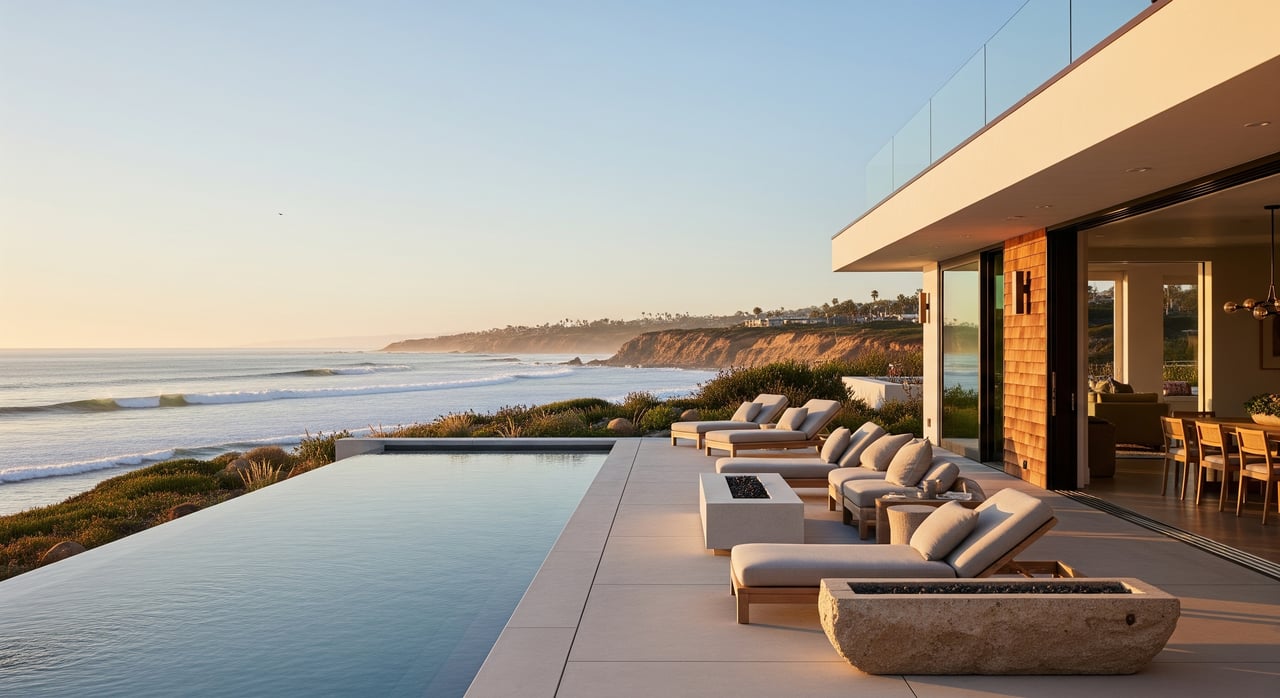
You step down a set of weathered stairs and the morning air is crisp with salt. A gentle swell rolls in, the sand is wide at low tide, and it feels like your own slice of coastline. If you are picturing the inland city of Escondido in San Diego, pause. This is Escondido Beach in Malibu, a small, tucked-away stretch along the Pacific Coast Highway where life revolves around the ocean, the tides, and a quieter rhythm. In this guide, you will learn how access works, what daily life feels like, the tradeoffs to expect, and the practical realities of owning a beachfront home here. Let’s dive in.
Where Escondido Beach fits
Escondido Beach is one of Malibu’s smaller residential beaches along the Pacific Coast Highway. Malibu’s shoreline is shaped by the California Coastal Act, which protects public access to the wet sand and the ocean. That means the beach itself is public, even when the homes above it are private.
Life here is influenced by local land-use rules, coastal permits, and environmental factors such as sea level rise and erosion. Tides, sand movement, and winter storms all change how much beach you see on any given day. You will notice that the ocean is your clock.
Walkability and beach access
Getting to the sand often happens via short public stairways from the highway or private stairs attached to beachfront homes. Parking on the highway is limited, which keeps the area quieter. Public lots are uncommon at smaller coves like this.
Walkability on the sand depends on the tide. At low tide, you may have long, easy strolls. At higher tides, rocks or bluffs can pinch off portions of the beach and make it hard to move between coves. If you want to walk far, plan around the tide window.
For residents, walkability usually means stepping from your deck to your stairs, catching a morning beach walk, then driving a short distance for errands and dining. It is a beach-first lifestyle with close but not immediate access to services.
Privacy, vibe, and daily rhythm
The feel is low-key and residential compared with larger public beaches. Limited parking and the small scale of the cove create a semi-private atmosphere, even though the wet sand is public. You will see a mix of full-time residents and second-home owners who value quiet and views.
Mornings bring surfers and early walkers. Midday is relaxed, with sunbathers and paddleboarders when conditions allow. Evenings tend to be calm and focused on sunset. Expect fewer crowds than places like Zuma or Surfrider.
Surf and ocean activities
Malibu is famous for surf culture, and Escondido Beach shares that ocean-forward lifestyle. Actual surf conditions here vary with swell direction, wind, sandbars, and tide. Some days are friendly for longboards and paddling. Other days are better for experienced surfers or for watching from the deck.
Swimming and paddling depend on conditions. Rip currents and shifting undertow are common along the Los Angeles coastline, and lifeguard presence at smaller beaches is limited or seasonal. Check local surf and tide reports before heading out, and treat the ocean with respect.
Nearby dining and essentials
Immediate beachfront convenience is limited. You are living on a quiet stretch of PCH, not in a shopping district. For restaurants, cafes, and boutiques, you will likely drive to central Malibu hubs such as the Malibu Country Mart and the surrounding Civic Center area. You will also find small clusters of dining and markets dotted along PCH.
For larger errands or specialized services, residents often head to Malibu’s town center or to nearby communities along the coast or over the hill. Commute times vary widely with traffic. Many owners build their routines around flexible schedules, remote work, or planned trip windows.
Real estate and ownership basics
Homes along Escondido Beach are predominantly single-family residences set along the shoreline. Many have private stairs to the sand and sweeping views. You will find a mix of remodeled homes and older cottages, with a premium placed on direct frontage and view corridors.
Beyond purchase price, plan for the realities of beachfront ownership. Marine exposure increases maintenance needs. Insurance costs for flood, earthquake, and proximity to wildfire zones can be higher. Structural and shoreline considerations such as bluff stabilization or erosion mitigation may come into play.
Coastal development permits and recorded easements can affect improvements, stairs, and access. Short-term rental rules can change and may be subject to local regulation. An experienced local advisor can help you confirm easements, understand permit constraints, and review liabilities before you buy or remodel.
Practical day-to-day logistics
Parking and traffic on PCH
On-street parking along PCH is limited. Most residents rely on driveways and garages. Weekends and holidays increase traffic volume and foot traffic. Plan deliveries and departures with busy periods in mind.
Tides, seasons, and storms
Tide swings determine how much sand you have for walking or lounging. Winter storms bring larger swells and higher erosion risk. After big weather events, beach profiles can shift and stairs or walkways may need repair or adjustment.
Safety, evacuation, environment
Beachfront life intersects with regional safety planning. Coastal bluffs and nearby hillsides face wildfire risk, and the highway is a key evacuation route. Sea level rise and long-term erosion trends are part of the planning horizon for homeowners. Many residents support local beach cleanups and marine conservation as a way to care for the resource they enjoy daily.
How it compares nearby
Escondido Beach is small, quiet, and residential in feel. Zuma Beach is larger and more amenity-rich, with expansive sand, parking, and more consistent lifeguard services. Surfrider is iconic for surfing and draws heavier crowds. El Matador is known for dramatic rock formations and photography-friendly scenery, which brings more visitors during peak times.
If you prefer a calmer setting where the ocean sets the rhythm and you have fewer day visitors, Escondido Beach stands out. If you want immediate access to shops, activities, and big sandy expanses, you may prefer a larger public beach zone.
Is Escondido Beach a fit?
Choose Escondido Beach if you value direct connection to the water, a quieter neighborhood rhythm, and do not mind planning your day around tides, seasonal access, and limited parking. Expect to invest in maintenance and to navigate coastal permits with care when you want to improve a property. If you seek a high-energy scene with abundant public amenities right outside your door, explore Malibu’s bigger beaches first.
If you want a clear-eyed look at specific properties, stairs, easements, and permit history before you decide, speak with a local expert who treats your purchase like the significant asset it is. For discreet guidance grounded in both market knowledge and legal clarity, connect with Mark Gruskin. Let’s schedule an appointment.
FAQs
How private is the beach outside a Malibu Escondido Beach home?
- The wet sand and ocean are public, while homes, decks, and stairs are private; limited parking and small-scale access create a quieter, semi-private feel.
Can visitors park on PCH to access Escondido Beach?
- Parking along the highway is limited and subject to posted rules; arrive early on weekends and holidays and be prepared to walk from legal spots.
Is swimming safe at Escondido Beach in Malibu?
- Conditions vary with tide, swell, and currents; rip currents can form and lifeguard presence is limited, so check local reports and enter the water cautiously.
What costs should Malibu Escondido Beach owners expect beyond the mortgage?
- Plan for higher insurance, marine-environment maintenance, potential shoreline or bluff work, and permit-related costs for improvements.
How does Escondido Beach compare with Zuma, Surfrider, and El Matador?
- Escondido is smaller and quieter; Zuma offers big sand and amenities, Surfrider is surf-famous with crowds, and El Matador is a scenic cove that draws photographers.
Do I need permits to remodel a beachfront home on Escondido Beach?
- Most shoreline modifications require coastal development permits and adherence to easements; verify requirements before planning design or construction.